
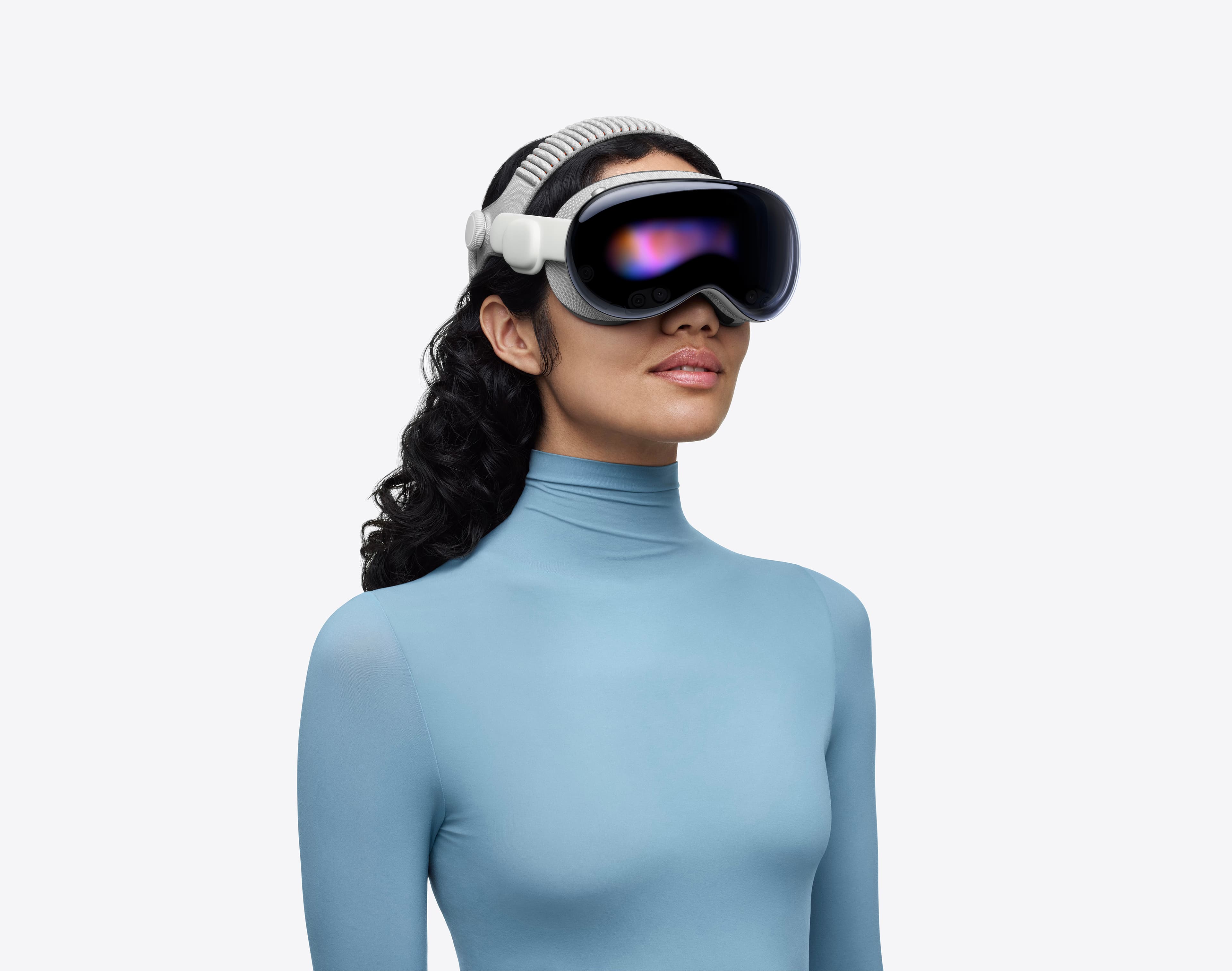
Why we chose this
We've spent six weeks editing video, reviewing CAD, and pair-programming in Vision Pro. The thing that makes the M5 model worth covering isn't the spec sheet — it's that we stopped taking it off after 45 minutes. Comfort, not pixels, is what decides whether spatial computing actually replaces a monitor, and Apple finally got that part right.
The review
The second-generation Vision Pro is the one Apple should have shipped first. The headset is 22% lighter thanks to a redesigned magnesium frame and a smaller external battery, the M5 chip eliminates the rendering hiccups that plagued the M2 model under heavy multi-window loads, and the new micro-OLED panels push to 4K-per-eye at 120Hz without the persistence smear of the original. visionOS 3 is the bigger story: native windows for Final Cut, Logic Pro, and Xcode mean creative pros are finally a target audience rather than an aspirational one, and the spatial scene capture pipeline now exports directly into Premiere and DaVinci. The pass-through latency is down to 9ms, which crosses the threshold where you stop noticing it; the EyeSight front display has been retired (no one missed it). Battery life is still the elephant in the room — two and a half hours unplugged — but the new MagSafe-style swap means you can hot-swap without ending your session.